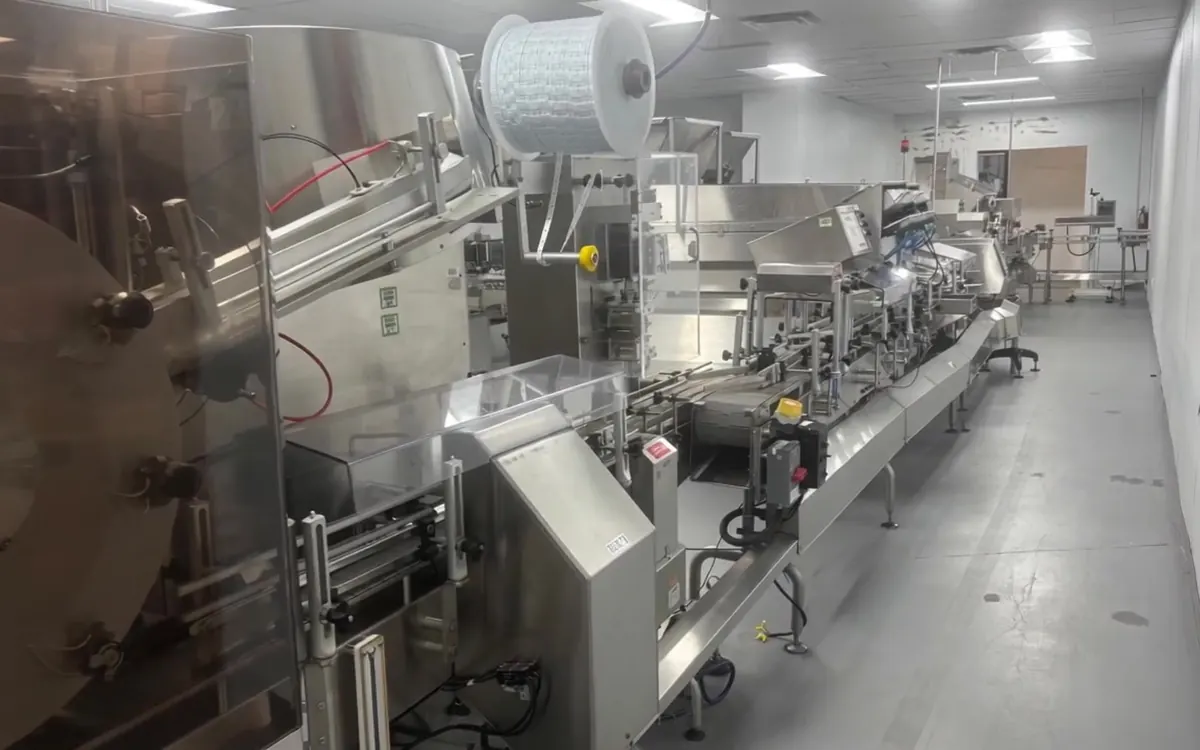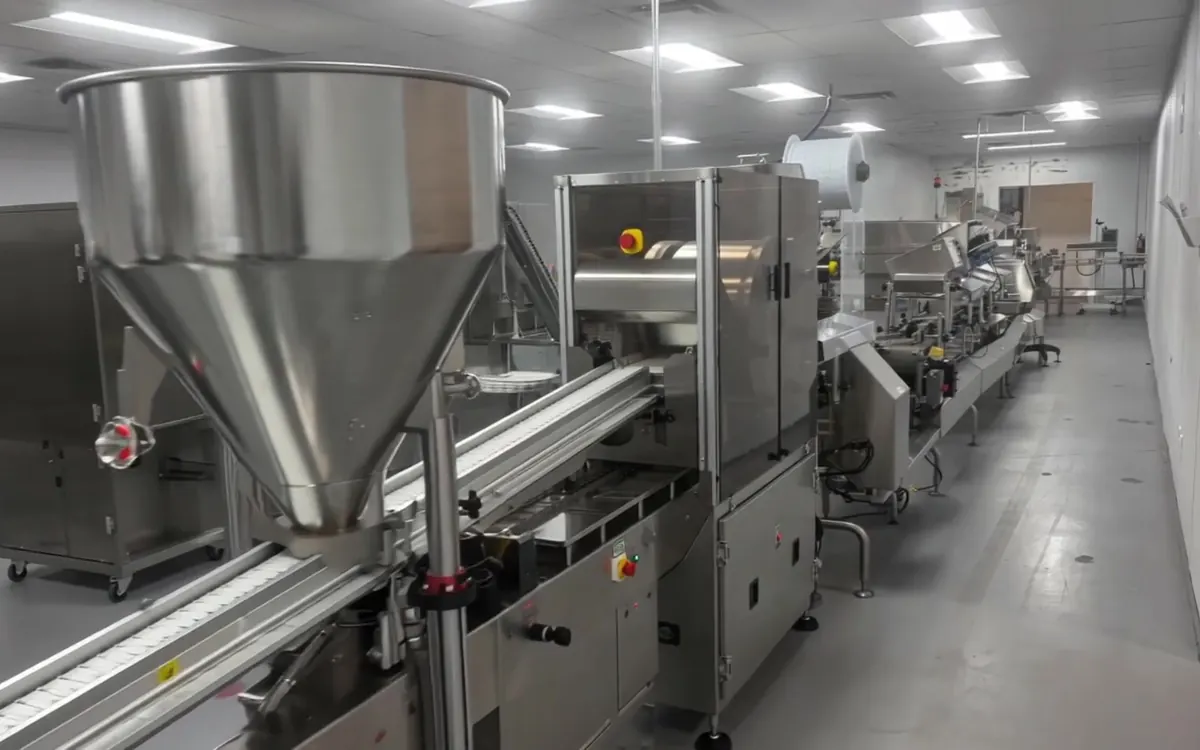

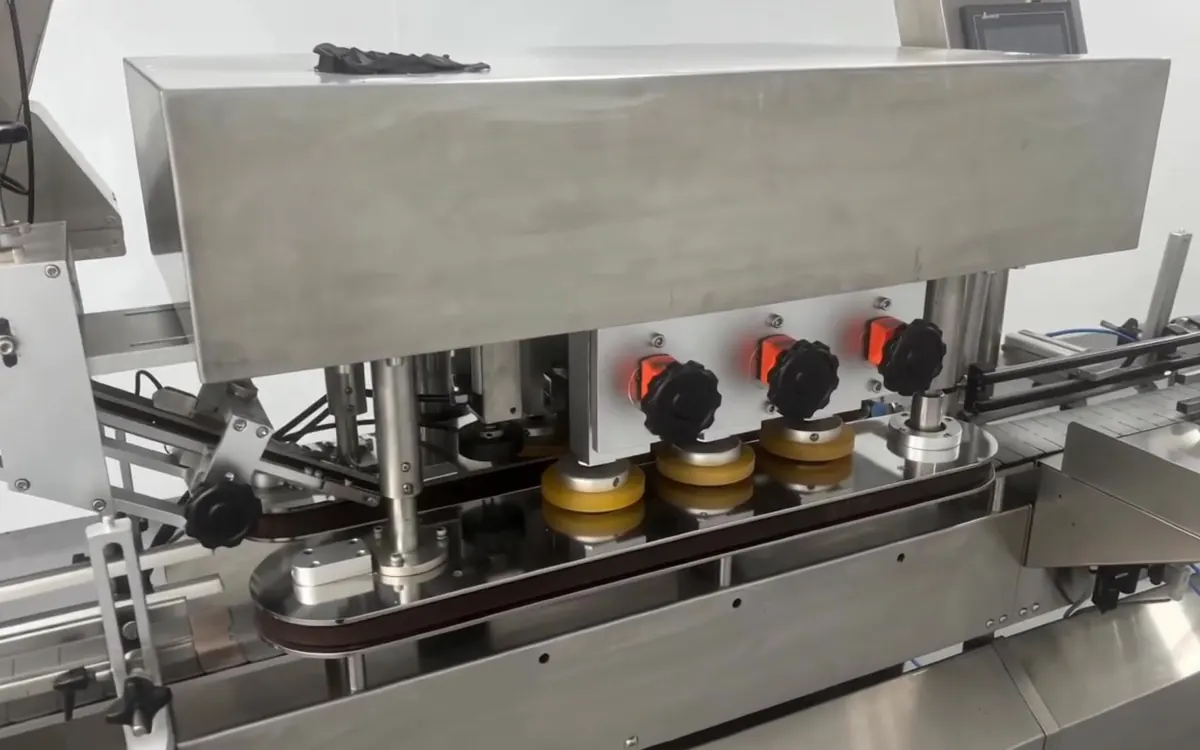
Turnkey supplement manufacturers handle almost everything needed to bring a product to market: formulation, ingredient sourcing, production, testing, bottles, labels and often label compliance review, so you receive finished, retail-ready product. A pure contract manufacturer does a narrower job: it produces your formula to your specification, while you supply or manage more of the rest, such as packaging, labels or testing. Turnkey saves time and coordination; a narrower contract arrangement can give more control over each component, at the cost of more work for you.
The two models defined
Turnkey, or full service supplement manufacturing
A full service supplement manufacturer takes your idea or formula and delivers a finished product. Typical turnkey services include:
- Formulation or formula review
- Sourcing and testing of all ingredients
- Capsule or tablet production
- Bottles, caps, seals, desiccants and labels
- Label and Supplement Facts review
- Finished product testing and certificate of analysis
- Shipping to your warehouse, 3PL or marketplace
You deal with one company and one quality system from raw material to sealed bottle.
Contract manufacturing in the narrow sense
In a narrower contract arrangement, the manufacturer makes the product to your specification, and you take on some of the other pieces. Variations include:
- You supply ingredients, sometimes called consigned or customer-supplied materials, and the manufacturer blends and encapsulates.
- You supply packaging and labels, and the manufacturer fills and labels.
- The manufacturer makes bulk only: capsules or tablets in bulk containers, which you or another company package.
- You manage outside testing in addition to the manufacturer's own testing.
In everyday language, "contract manufacturing" is often used for both models. When you compare manufacturers, ask exactly what is included.
Side-by-side comparison
| Turnkey | Narrow contract manufacturing | |
|---|---|---|
| What you receive | Finished, labeled bottles | Bulk product or packaged product, depending on the deal |
| Who sources ingredients | Manufacturer | Manufacturer or you |
| Who sources packaging | Manufacturer | Often you |
| Number of suppliers you manage | One | Several |
| Speed to launch | Usually faster | Depends on your coordination |
| Control over each component | Through the specification | Direct |
| Cost structure | One price per finished bottle | Several invoices, sometimes lower unit cost at scale |
| Best for | New and growing brands, lean teams | Large brands with procurement and quality staff |
Why most new brands choose turnkey
For a new or small brand, turnkey usually wins for practical reasons:
- Less coordination. No chasing bottle suppliers, label printers and labs on separate schedules.
- One quality system. Ingredient identity testing, production, packaging and release are covered by one set of procedures under 21 CFR Part 111.
- Fewer gaps. When several companies share a product, responsibilities can fall between them. With one partner, there is one answer to "who checks this?".
- Lower minimums. Turnkey manufacturers buy packaging in volume across many brands, which helps smaller orders.
- Clear pricing. One price per finished bottle is easier to plan around.
When a narrower contract model makes sense
Splitting the work can make sense when:
- You have a proprietary or branded ingredient you buy directly under contract.
- You use custom packaging made in large volumes for several products.
- You have in-house quality staff who can qualify suppliers, review records and run testing programs.
- You are at a volume where savings on separate sourcing outweigh the extra coordination.
If you supply ingredients or packaging, remember that the manufacturer still has to check what it receives. Under Part 111, components must meet specifications before use, and dietary ingredients must have their identity verified. Expect your materials to go through the same receiving, quarantine and testing as anything else.
Responsibilities under cGMP in each model
Whatever the model, the cGMP rule applies to each company for the operations it performs: manufacturing, packaging, labeling or holding. The brand owner remains responsible for the product it sells, and the FDA expects it to know who makes each part and how. The FDA's current good manufacturing practices page gives an overview.
The more parties involved, the more important a written quality agreement becomes. It should state, for each party:
- Which specifications it sets or approves
- Which tests it performs and on what
- How labels and label versions are controlled
- How deviations, complaints and returns are handled
- Who leads a recall and who notifies whom
- Which records it keeps and shares
Hidden costs in each model
Turnkey
- Packaging upgrades or custom components can carry their own minimums
- Formulation or development fees, if any
- Extra testing beyond the standard release testing
Narrow contract
- Freight between suppliers, sometimes several times
- Your staff time for sourcing, scheduling and quality review
- Losses from mismatched quantities: too few labels, too many bottles
- Delays when one supplier is late and the production slot is missed
Compare the total landed cost per sellable bottle, not just the manufacturing line on one quote. Our guide to supplement manufacturing cost lists the main cost drivers.
Questions to ask turnkey supplement manufacturers
- Which services are included in the price per bottle, and which are extra?
- Do you make capsules and tablets in house, and package in house?
- Who reviews the Supplement Facts panel and label copy?
- Which tests run on ingredients and on each finished batch?
- Do I get a certificate of analysis for every lot?
- What are the minimums for my formula and packaging?
- Can I supply a specific ingredient or packaging component if I want to?
- Who is my contact, and how fast do you reply?
More questions are in how to choose a supplement manufacturer.
Switching models as you grow
Many brands start turnkey and move some pieces in house as they grow: first custom packaging, then direct purchasing of a key ingredient, sometimes their own quality staff who audit the manufacturer. Others stay turnkey for good because it lets a small team run a large brand. Neither is wrong. What matters is that responsibilities stay clear at every stage. If you move to a new manufacturer, bring your specification, Supplement Facts panel and COAs so the new partner can quote and produce the product like for like.
Claims and labels stay your responsibility
A turnkey partner can review your label and flag problems, but the brand owner decides what to claim. Keep claims truthful and supported, as the FTC explains in its Health Products Compliance Guidance, and use only structure/function statements with the required disclaimer. The FDA Dietary Supplement Labeling Guide covers the rest of the label.
Full service manufacturing at Natural Florida
Natural Florida works as a full service supplement manufacturer for capsules and tablets in Hollywood, Florida. We can take your formula, or help create one, then source and test ingredients, manufacture, bottle with caps, induction seals and desiccants, label with your artwork, apply shrink sleeves if needed, test finished batches before release and ship to you, your 3PL or Amazon FBA, all under cGMP practices under 21 CFR Part 111. If you have your own formula, our contract manufacturing service produces it to your specification with documentation for every order. Moving from another manufacturer? Send your current specification and Supplement Facts panel and we quote it like for like. Read more about turnkey and contract manufacturing at Natural Florida, or start with the quote form. We reply within one business day.
Frequently asked questions
What is a turnkey supplement manufacturer?
A manufacturer that handles nearly everything needed to bring a supplement to market, from formulation and sourcing to production, packaging, labeling and testing, and delivers finished product.
Is turnkey manufacturing more expensive?
The price per bottle may look higher because it includes more, but the total cost is often lower for small and medium brands once you count freight between suppliers, staff time and losses from coordination.
Can I supply my own ingredients to a contract manufacturer?
Often yes. The manufacturer must still check them against specifications and verify the identity of dietary ingredients before use, so allow time for receiving and testing.
What does full service supplement manufacturer mean?
The same as turnkey in most cases: one company provides formulation, production, packaging and testing. Ask each manufacturer for the list of what is included.