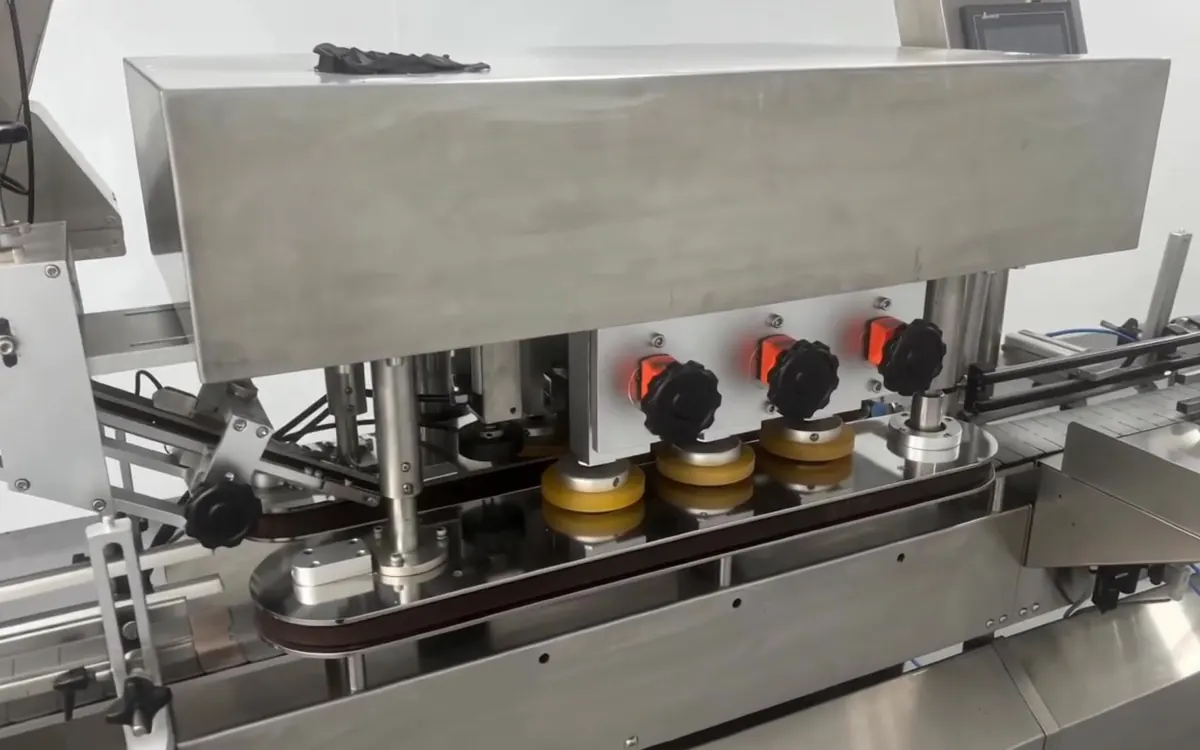

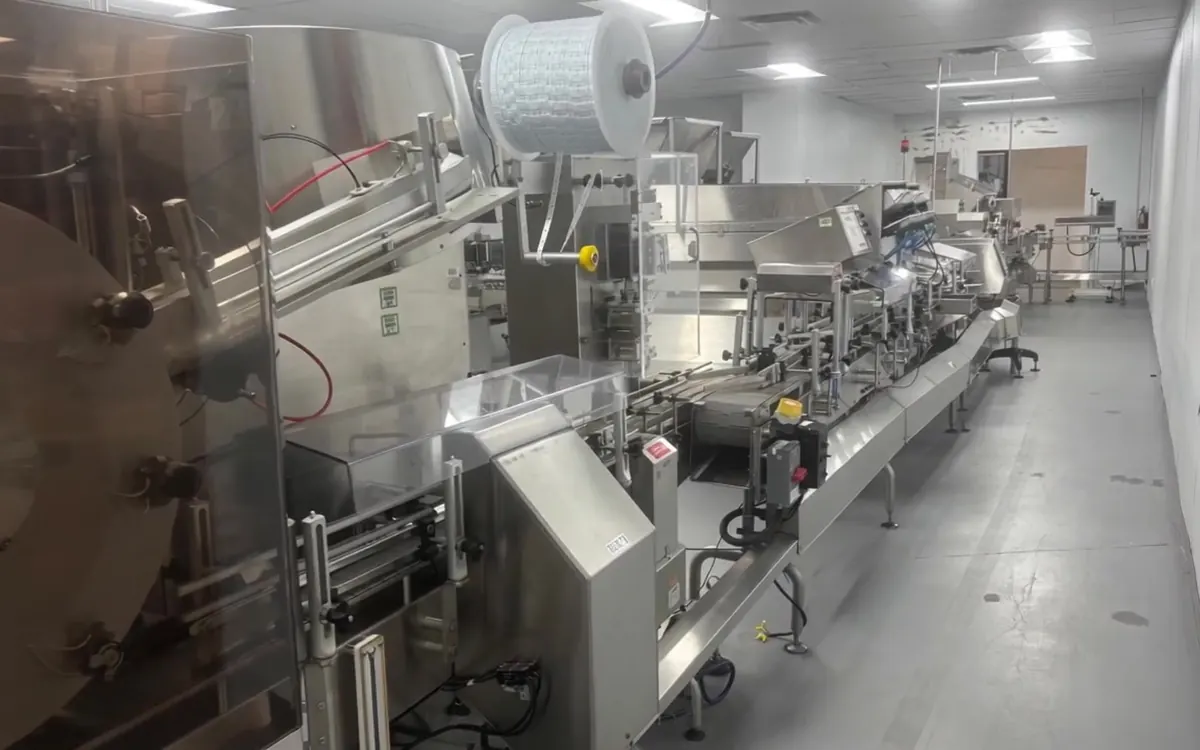
Contract manufacturing for supplements means hiring a manufacturer to produce your own formula, to your specification, under your brand. You bring the formula or the product concept; the supplement contract manufacturer sources ingredients, makes the capsules or tablets under the FDA cGMP rule, tests them, packages them and ships them to you. You keep the brand and usually the formula, and you avoid the cost of building and running a regulated facility.
How supplement contract manufacturing works
Contract manufacturing sits at the "custom" end of the range. Instead of picking a formula from a catalog, you provide the recipe, or work with the manufacturer to create one, and the manufacturer makes it exactly as specified.
A typical project:
- Brief. You share the formula, target serving, format, packaging and quantity.
- Technical review. The manufacturer checks that every ingredient is available, that the doses fit in a practical number of capsules or tablets, and that the blend will run well on its equipment.
- Quote. A price per unit or per bottle, based on the formula, format, packaging and quantity.
- Samples. A small trial lot for you to approve.
- Specification and records. The product specification and master manufacturing record are written and agreed.
- Production. Ingredients are received and tested, then blended, encapsulated or compressed, packaged and labeled.
- Release. Finished product is tested against the specification and released by the quality unit.
- Shipping and reorders. Product ships to you, your 3PL or Amazon FBA, and each reorder follows the same records.
The stages and what drives the schedule are covered in detail in the supplement manufacturing process.
What you provide and what the manufacturer provides
| You (brand owner) | Supplement contract manufacturer |
|---|---|
| Formula or product concept | Technical review, formula adjustments for manufacturability |
| Target serving, format and count | Ingredient sourcing, receiving and identity testing |
| Label artwork and claims | Help with the Supplement Facts panel and label review |
| Quantity and delivery plan | Blending, encapsulation or compression, coating |
| Approval of samples and specification | Packaging, labeling, lot coding |
| Marketing and sales | Finished product testing, batch records, certificate of analysis |
Some manufacturers also offer packaging design, fulfillment or regulatory consulting. The more they do, the closer you get to a turnkey arrangement; see turnkey vs contract supplement manufacturing for the difference.
Who is responsible for what under cGMP
The FDA's cGMP rule for dietary supplements, 21 CFR Part 111, applies to anyone who manufactures, packages, labels or holds dietary supplements. In a contract arrangement:
- The manufacturer must follow Part 111 for the operations it performs: written procedures, qualified staff, clean and maintained equipment, specifications, identity testing of dietary ingredients, master manufacturing and batch records, and quality control review and release.
- The brand owner whose name is on the label remains responsible for the product placed on the market. The FDA has made clear that a company that contracts out manufacturing cannot simply hand off its responsibility; it should know that its product is made in compliance with cGMP.
- Both need to agree in writing who does what, especially for specifications, testing, label control, complaints and recalls. A quality agreement is the usual tool.
Our guide to what cGMP means for dietary supplements explains the rule in plain language.
The documents that hold it together
Good supplement contract manufacturing runs on paper as much as on machines. Expect these documents:
- Product specification. Identity, strength, purity, composition and contaminant limits the product must meet.
- Master manufacturing record (MMR). The written recipe and instructions for each formula and batch size.
- Batch production record. The record of what was actually done for each batch.
- Certificate of analysis (COA). Test results for the lot against the specification. See how to read a COA.
- Quality agreement. Who is responsible for each cGMP task.
- Supply agreement. Pricing, minimums, forecasts, ownership and confidentiality.
Costs and minimums
Contract manufacturing costs depend on your formula above all. Expensive or unusual ingredients, high doses that need more capsules per serving, special capsule types, custom packaging and extra testing all raise the price. Order size matters too: fixed costs such as setup, cleaning and batch testing are spread across more bottles in larger runs.
Minimums for custom formulas are usually higher than for private label, because every ingredient must be bought for your product and some come only in large drums. Ask for the minimum in writing for your exact formula. Our guide to supplement manufacturing cost shows typical ranges and how to compare quotes.
Protecting your formula
If the formula is yours, protect it:
- Sign a confidentiality agreement before you share the full formula
- State in writing that you own the formula and the specification
- Agree that the manufacturer will not sell your formula to others
- Agree what documents you receive if you move production later
- Keep your own copy of the specification and approved label
Most reputable contract manufacturers are used to these terms. Hesitation is a warning sign.
Choosing a supplement contract manufacturer
Vitamin contract manufacturers and supplement contract manufacturers vary widely. Some specialize in one format, some in high volume, some in small and medium brands. Check:
- Format fit. Do they make capsules or tablets in house? Have they run blends like yours?
- Quality system. Can they show how they meet Part 111, from incoming identity testing to release?
- Technical help. Will they suggest changes when a dose does not fit or a blend will not flow?
- Minimums. Do they fit your launch plan, and can they scale with you?
- Communication. Is there a named contact who replies within a business day?
For a full interview guide, use how to choose a supplement manufacturer.
Common mistakes in contract manufacturing
- Sending an incomplete formula. Missing ingredient forms or doses lead to wrong quotes and delays.
- Changing the formula after samples. Each change restarts part of the process.
- Skipping the quality agreement. Unclear roles cause problems when something goes wrong.
- Choosing on price alone. A cheaper quote may use different ingredient forms or less testing.
- Writing claims before checking them. Claims must be truthful and supported, as the FTC Health Products Compliance Guidance explains, and disease claims are not allowed for supplements.
When contract manufacturing is the right model
Choose contract manufacturing when you have a formula you believe in, a clear point of difference, and enough budget and time for sampling and a slightly larger first run. If you are still testing the market, a private label product with a few changes may get you there faster; see private label vs white label vs custom supplements.
Contract manufacturing at Natural Florida
Natural Florida is a supplement contract manufacturer in Hollywood, Florida, producing capsules (sizes 000 to 3, vegetable or gelatin) and tablets for brands that bring their own formula. We review the formula, make samples before production, write the specification and master manufacturing record, test ingredients for identity and finished batches before release, and provide documentation with every order, following cGMP practices under 21 CFR Part 111. Read how our contract manufacturing service works, or send your formula through the quote form. You own the formula, and we reply within one business day. If you need help shaping the formula first, our team can do that too, as part of contract manufacturing for your formula.
Frequently asked questions
What is contract manufacturing for supplements?
Hiring a manufacturer to produce your own supplement formula to your specification, under your brand. The manufacturer sources, makes, tests and packages the product.
Who is responsible for quality in supplement contract manufacturing?
Both parties. The manufacturer must follow 21 CFR Part 111 for the work it does, and the brand owner remains responsible for the product it sells. A written quality agreement sets out who does what.
Do I own the formula in contract manufacturing?
Usually yes if you brought it, but put it in writing, together with confidentiality and what documents you receive if you move production.
Is contract manufacturing more expensive than private label?
Often a little, because ingredients are bought for your product alone and sampling takes longer. In return, you get a product others cannot copy from a catalog.