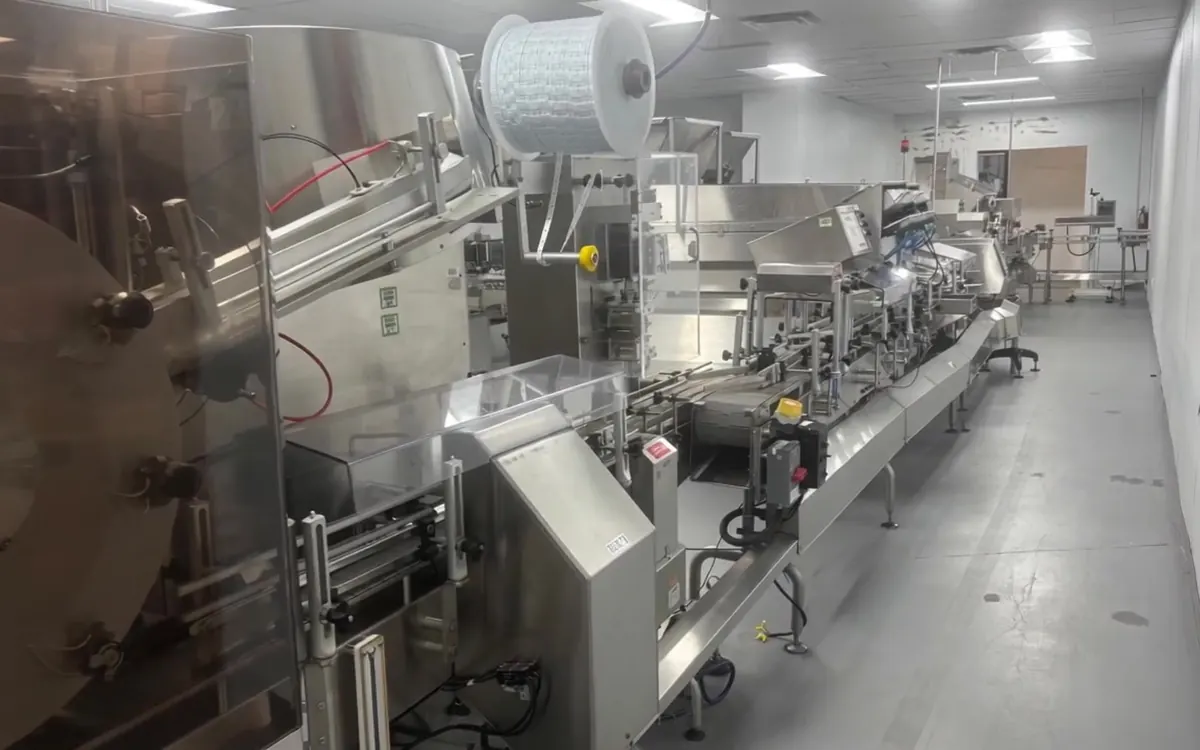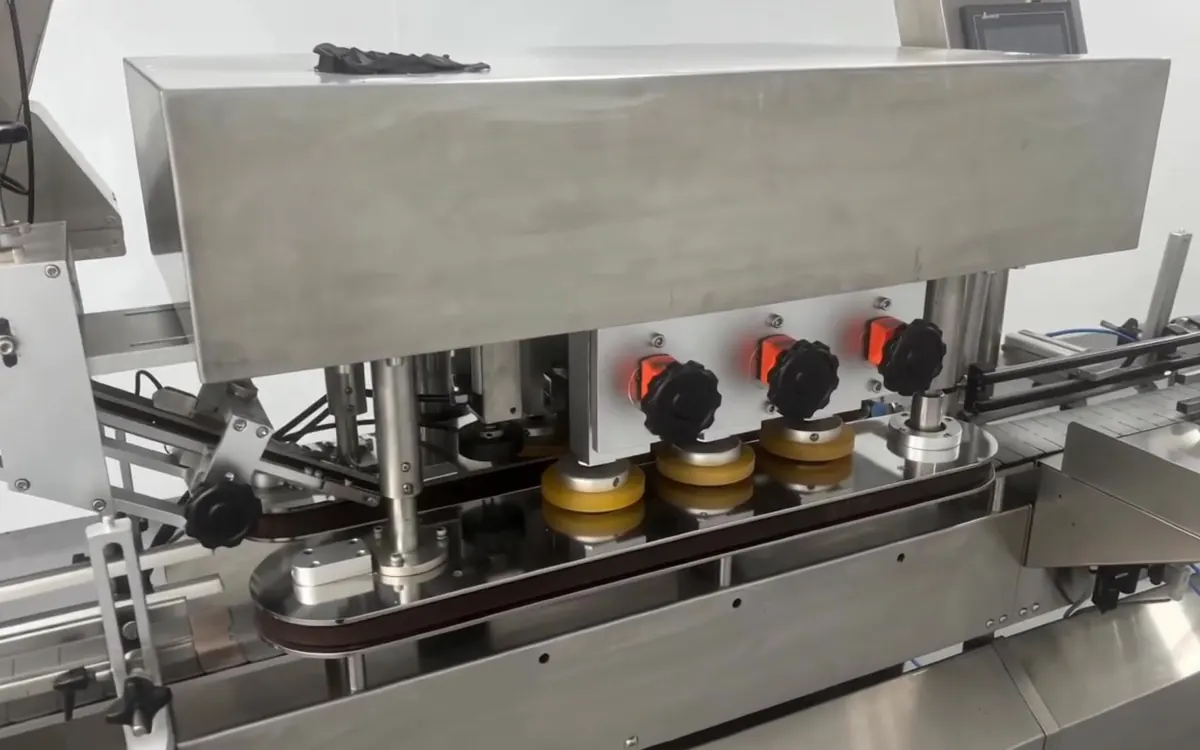


Nutraceutical contract manufacturing is when a brand hires a third-party facility to produce its nutraceutical products, most often dietary supplements in capsule or tablet form, to the brand's own formula and specification. "Nutraceutical" is a marketing term, not a legal category in the US, so in practice these products are regulated as dietary supplements under the FDA cGMP rule, 21 CFR Part 111. For a brand owner, the job is to choose a capable manufacturer, define the product clearly and manage the relationship well.
What "nutraceutical" means in the US
The word combines "nutrition" and "pharmaceutical" and is used loosely for products that sit between food and medicine. US law has no separate category for it. A product sold as a nutraceutical capsule or tablet is usually a dietary supplement, defined in the Dietary Supplement Health and Education Act (DSHEA) and regulated by the FDA as described on its dietary supplements page.
That has practical consequences:
- Manufacturing must follow the dietary supplement cGMP rule, 21 CFR Part 111.
- Labeling must include a Supplement Facts panel under 21 CFR 101.36 and follow the other supplement labeling rules.
- Claims are limited to structure/function, nutrient content and authorized health claims. Disease claims are not allowed.
- New dietary ingredients that were not marketed before October 15, 1994 may need a notification to the FDA before use; see the FDA's new dietary ingredient page.
- The FDA does not approve dietary supplements before they are sold. The brand and manufacturer are responsible for safety and compliance.
Calling a product a nutraceutical does not change any of this, and it does not allow stronger claims.
How nutraceutical third party manufacturing is organized
Nutraceutical manufacturing usually splits into a few roles. One company may cover several of them:
| Role | What it does |
|---|---|
| Brand owner | Owns the brand, sets the product concept, markets and sells |
| Formulator | Designs the formula; may be the brand, the manufacturer or a consultant |
| Ingredient suppliers | Provide raw materials with specifications and supplier COAs |
| Contract manufacturer | Receives and tests ingredients, blends, encapsulates or tablets, tests and releases |
| Packager | Fills bottles, seals and labels; often the same company as the manufacturer |
| Testing lab | In-house or third-party lab testing ingredients and finished product |
| Fulfillment | Warehouse, 3PL or marketplace fulfillment |
The fewer handoffs, the fewer places for errors. Many brands prefer a manufacturer that makes and packages in house, so one quality system covers the whole product. For the difference between full-service and narrower arrangements, see turnkey vs contract supplement manufacturing.
Defining your product before you approach manufacturers
A clear brief saves weeks. Before you contact anyone, write down:
- The product concept and who it is for
- The formula: each ingredient, its form, amount per serving and source if it matters to you
- Format: capsule (type and size if known) or tablet (shape, coating)
- Serving size and count per bottle
- Packaging: bottle, cap, seal, label, any sleeve or box
- First-run quantity and expected monthly volume
- Sales channels: your site, Amazon, retail, practitioners
- Claims you hope to make, so they can be checked early
If you do not have a formula yet, start with custom supplement formulation.
The technical review
A good contract manufacturer will not just quote your formula; it will question it. Expect questions like these:
- Does it fit? Total fill weight per serving decides how many capsules or tablets the customer takes. A formula that needs six capsules a day may need rethinking. See the capsule size chart.
- Will it run? Sticky, light or moisture-loving powders may need flow agents, granulation or a different format.
- Is it stable? Some ingredients react with each other or with moisture. Overages and packaging help, within limits.
- Is it available? Ingredient lead times and minimum purchase quantities affect cost and schedule.
- Is it legal? Each ingredient must be a lawful dietary ingredient at the intended dose and form.
Managing the relationship
The best nutraceutical contract manufacturing relationships are run like partnerships, with clear documents and regular contact.
Put roles in writing
A quality agreement sets out who does what under Part 111: who approves specifications, who tests what, who controls labels, how complaints and deviations are handled and who leads a recall. A supply agreement covers pricing, minimums, forecasts, lead times, ownership and confidentiality.
Forecast and plan
Share a rolling forecast of what you expect to order. Manufacturers plan ingredients and production time around it, and forecasts help avoid out-of-stocks after a strong launch.
Approve changes
Agree that no change to the formula, an ingredient supplier, the capsule type or the packaging happens without your approval. Change control protects the consistency your customers notice.
Review documents every batch
Read each certificate of analysis against the specification, not just the word "pass". Our guide on how to read a COA shows what to look for.
Visit
If you can, visit the facility by appointment. Seeing receiving, production and quality control areas tells you more than any brochure.
Testing in nutraceutical manufacturing
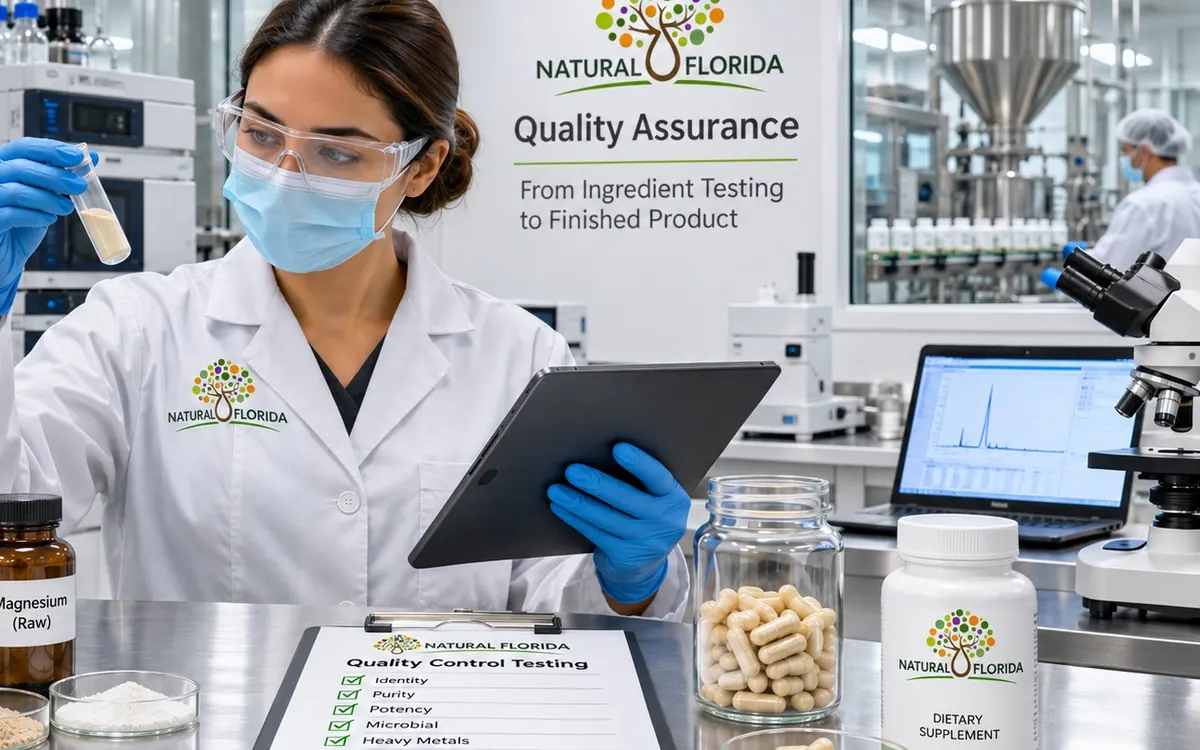
Under Part 111, the manufacturer must verify the identity of each dietary ingredient and confirm that the finished batch meets its specification for identity, purity, strength and composition, plus limits on contaminants. Testing can be done in house, by third-party labs or both. Many brands also commission independent testing for marketing or marketplace requirements. Our article on supplement testing explains the main tests. For background on public quality standards, see USP's dietary supplement resources.
Scaling up with the same manufacturer
A successful product changes the relationship. Volumes grow, reorders become regular and small inefficiencies start to cost real money. Plan ahead:
- Ask early what larger batch sizes are possible on the same equipment, and whether a bigger batch needs a new master manufacturing record.
- Agree on safety stock for key ingredients, so a supplier delay does not stop production.
- Review pricing at agreed volume steps rather than renegotiating every order.
- Keep the specification unchanged unless you approve a change, so scaling does not change the product your customers know.
Red flags in a contract manufacturer
- Claims that the FDA has signed off on their supplements; the FDA does not approve supplements before sale
- No written specification or quality agreement offered
- Reluctance to explain identity testing or share COAs
- Willingness to print disease claims on your label
- Vague answers about where your product is actually made
- No named contact, or slow replies before you even sign
Marketing nutraceuticals responsibly
The marketing term "nutraceutical" can tempt brands toward medical-sounding language. Keep claims truthful, specific and supported by competent and reliable scientific evidence, as the FTC sets out in its Health Products Compliance Guidance. Structure/function statements need the FDA disclaimer and a notification to the FDA within 30 days, under 21 CFR 101.93. Our guide to structure/function claims shows examples of what works and what does not.
Nutraceutical contract manufacturing at Natural Florida
Natural Florida provides nutraceutical contract manufacturing for capsules and tablets in Hollywood, Florida, following cGMP practices under 21 CFR Part 111. You own the formula; we review it, make samples before production, source and test ingredients for identity, manufacture, bottle and label in house, test finished batches before release and provide documentation with every order. If you are moving from another manufacturer, send us your current specification and Supplement Facts panel and we quote it like for like. Learn more about our contract manufacturing service for supplement brands, or start with the quote form; we reply within one business day. You can also visit by appointment before you decide on contract manufacturing with us.
Frequently asked questions
What is nutraceutical contract manufacturing?
Hiring a third-party facility to make your nutraceutical products, usually dietary supplements in capsule or tablet form, to your formula and specification under your brand.
Are nutraceuticals regulated differently from supplements?
No. "Nutraceutical" is not a legal category in the US. Capsules and tablets sold as nutraceuticals are generally regulated as dietary supplements, with the same cGMP, labeling and claims rules.
What agreements do I need with a nutraceutical manufacturer?
Usually a confidentiality agreement before sharing your formula, a quality agreement that sets cGMP responsibilities, and a supply agreement covering pricing, minimums, forecasts and ownership.
Can a nutraceutical product make medical claims?
No. Products sold as dietary supplements cannot claim to diagnose, treat, cure or prevent disease, whatever they are called.