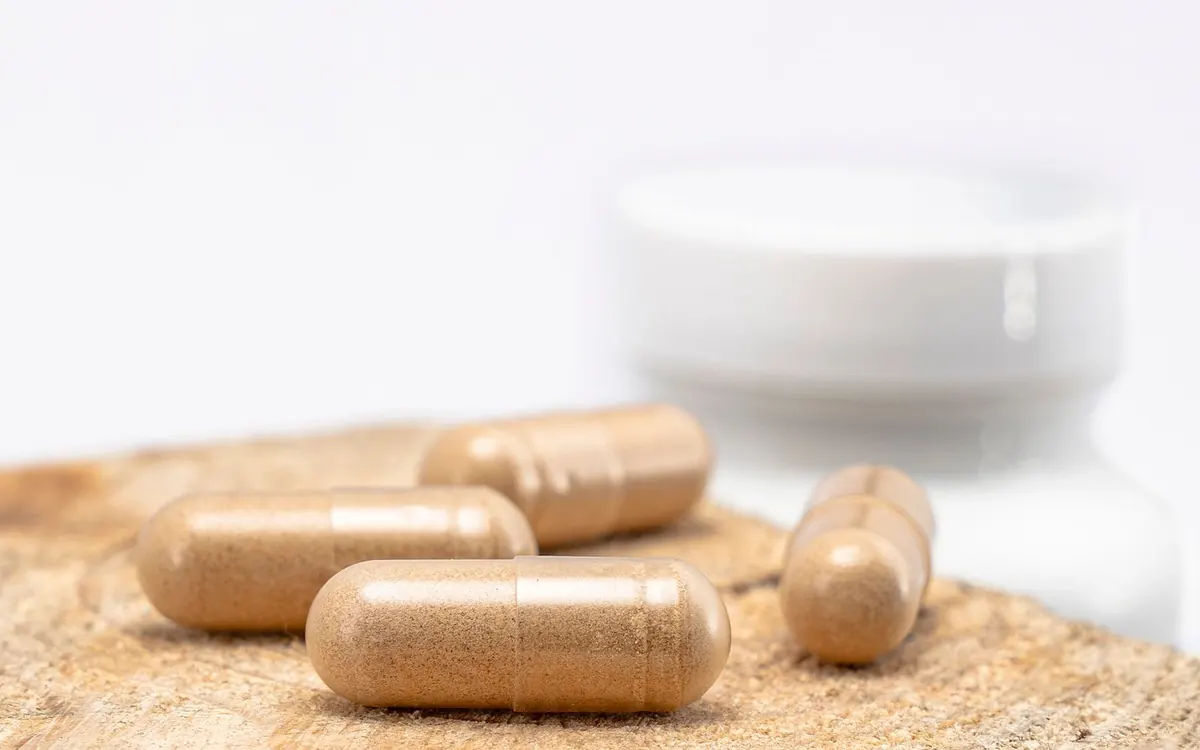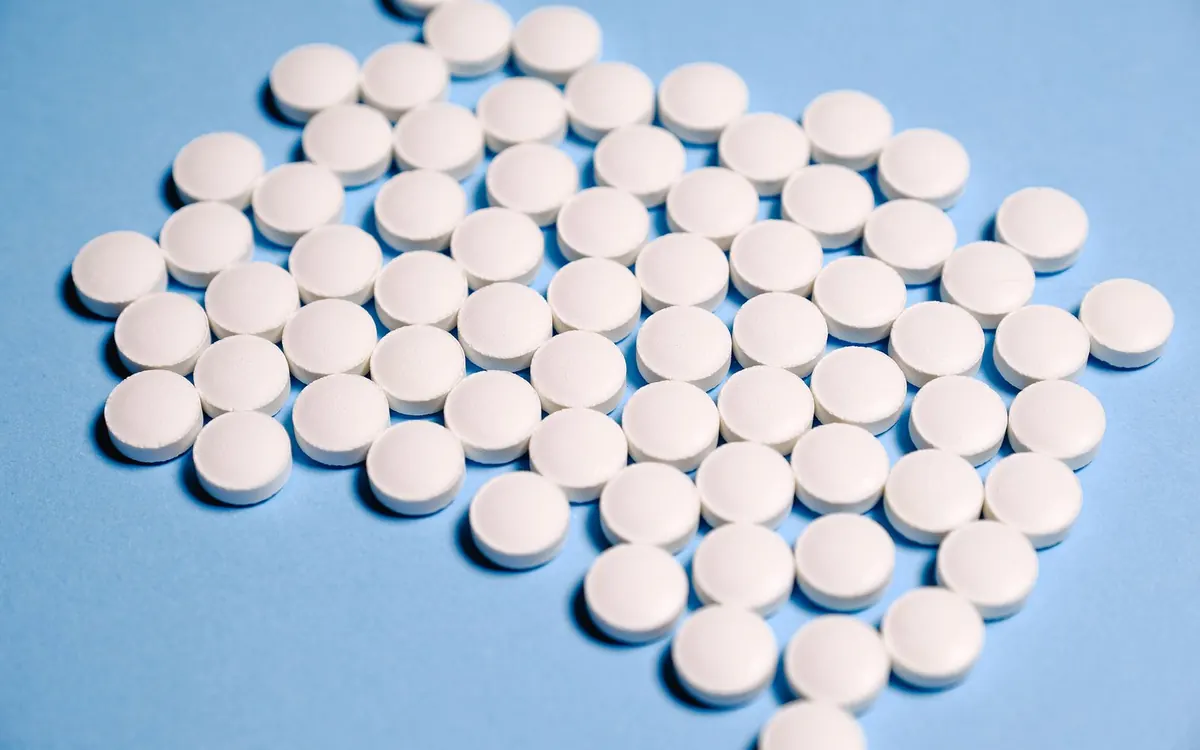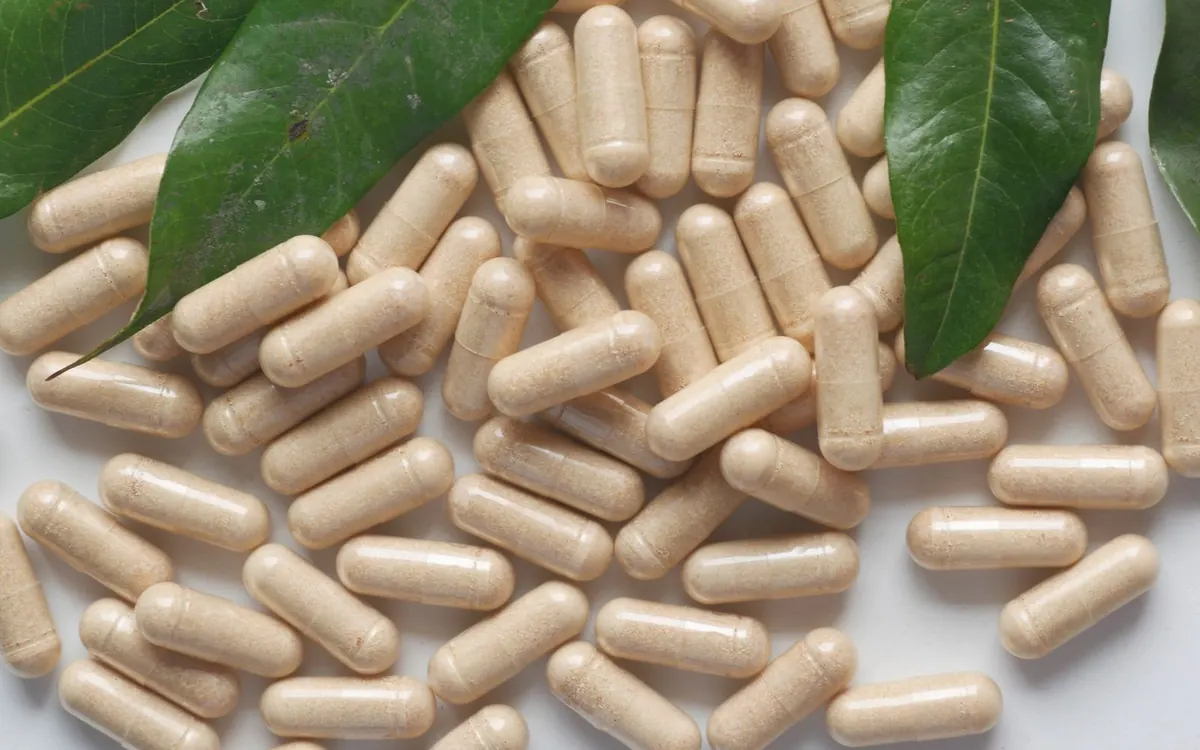

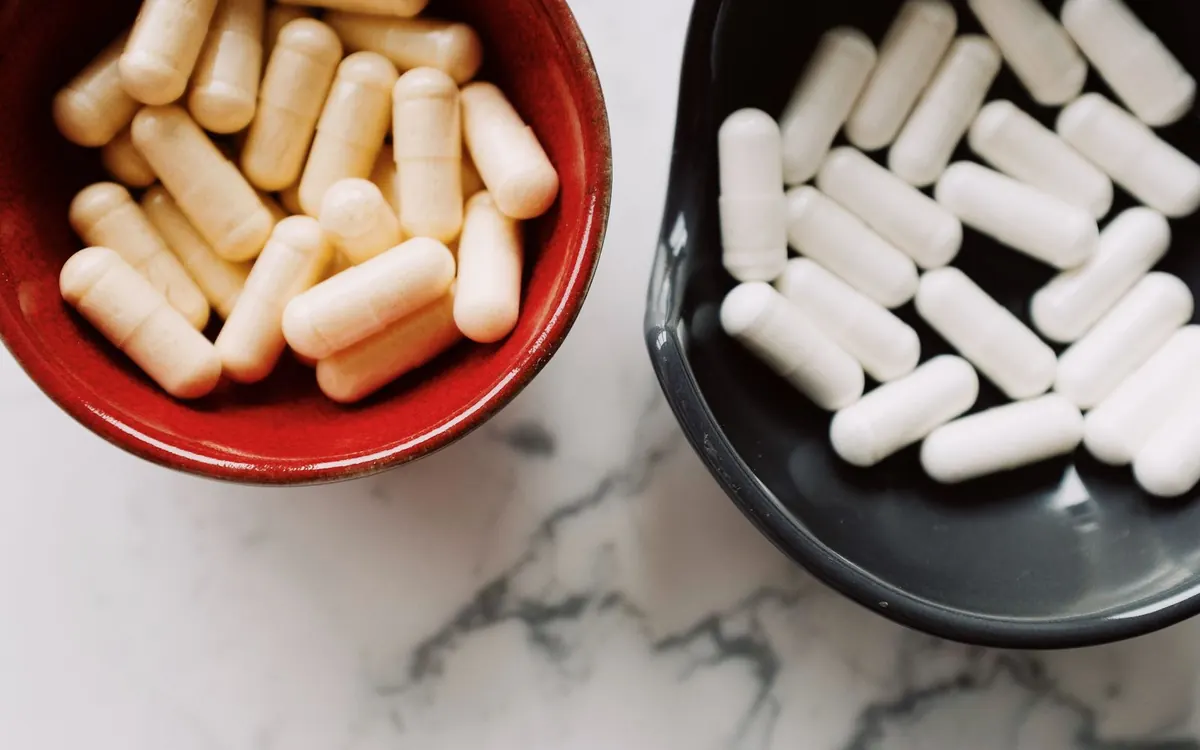
In the capsules vs tablets choice, neither format is better for every supplement. Capsules are easy to swallow, simple to formulate, need few or no binders and suit botanicals and blends. Tablets hold more material per unit, can cost less per serving at volume, and can be shaped, scored and coated. Choose capsules for moderate doses, powders and vegan or clean-label products; choose tablets for high-dose formulas, minerals and multivitamins, or when you want a smaller number of units per serving.
The quick comparison
| Capsules | Tablets | |
|---|---|---|
| How they are made | Powder filled into a two-piece shell | Powder compressed under pressure, sometimes coated |
| Dose per unit | Limited by shell volume and powder density | Higher; powder is compressed |
| Excipients | Few; sometimes a flow agent | Binders, fillers, lubricants and disintegrants usually needed |
| Swallowing | Easy for most people; smooth shell | Depends on size, shape and coating |
| Taste and odor | Shell hides most | Coating can hide it |
| Vegan option | Yes, with HPMC shells | Yes, with suitable excipients and coatings |
| Cost per unit at volume | Moderate | Often lower |
| Formulation work | Simpler | More: blend must compress and break down properly |
| Branding | Shell colors | Shapes, colors, scoring, embossing, coatings |
| Splitting a dose | Not practical | Possible with scored tablets |
When capsules are the better choice
Capsules suit most new supplement products. They are the right call when:
- The dose fits in one to three capsules. Use the capsule size chart to check.
- The formula is a botanical or herbal blend. Fluffy, low-density powders are hard to compress but fill well.
- You want a short, clean ingredient list. Capsules often need little beyond the active ingredients and the shell.
- You want a vegan product. Vegetable HPMC capsules make it simple; see HPMC vs gelatin capsules.
- You need to move fast. Capsule formulas usually need less development and fewer trial runs.
- Taste or smell is strong. The shell masks most powders.
When tablets are the better choice
Tablets win when:
- The dose is high. Compression packs more into each unit, so customers take fewer pieces.
- The formula is mineral-heavy. Calcium, magnesium and other dense minerals suit tablets.
- It is a multivitamin. Many ingredients at different doses fit well in a tablet, and a coating helps with swallowing and taste.
- Unit cost matters at volume. Tablets can cost less per unit once production is running.
- You want split dosing. A scored tablet can be broken in half.
- You want a distinctive look. Shape, color and coating help a product stand out.
Read more in supplement tablet manufacturing.
Tablet vs capsule supplements: the details that matter
Dose capacity
A size 00 capsule holds about 0.91 ml, roughly 550 to 730 mg of a typical powder. A large tablet can often hold more active ingredient, though it also needs excipients that take up part of the weight. For a 1,000 mg serving of a light botanical, you may need two or three capsules; the same dose of a dense mineral might fit in one tablet.
Excipients and the ingredient list
Tablets need help to hold together and to break apart. Binders, fillers, lubricants and disintegrants are standard and safe, but they lengthen the "other ingredients" list. Capsules usually need far fewer. If a short label matters to your customers, capsules have an advantage.
Breaking down in the body
Both formats are designed to break down after swallowing. For tablets, disintegration depends on compression force, binders and coating, so manufacturers test disintegration during production. Capsule shells dissolve readily. Public standards for disintegration and dissolution of supplements are published by USP. Do not make claims about faster absorption unless you have evidence to support them; the FTC's Health Products Compliance Guidance applies to format claims too.
Stability
Both can be stable for the product's shelf life with good packaging. Tablets with a film coating gain some protection from moisture and light. Capsules depend on shell type and packaging; HPMC shells hold less moisture than gelatin.
Swallowing
Size and shape decide how easy a unit is to swallow. Capsules are smooth and often easier for many people. Tablets can be made easy to swallow with an oval or caplet shape and a film coating. Very large units of either kind are a common source of complaints.
Cost
Capsules often cost less to develop; tablets often cost less per unit at volume. The bigger driver is units per serving: three capsules versus one tablet can change the picture completely. See supplement manufacturing cost.
A simple decision guide
- Calculate the serving weight of all active ingredients.
- Check the capsule fit. If it fits in one or two size 0 or 00 capsules, capsules are usually the simplest route.
- If it needs three or more capsules, consider a tablet, or a more concentrated ingredient form.
- Think about the ingredient type. Light botanicals lean to capsules; dense minerals and multi-nutrient formulas lean to tablets.
- Think about your customer. Vegan, clean-label buyers lean to capsules; price-driven and multivitamin buyers are used to tablets.
- Ask for samples of both if you are unsure. Holding the product often decides it.
Checklist before you decide
- Serving weight and the number of units per serving
- Ingredient types: botanical, mineral, vitamin, blend
- Vegan or vegetarian claim needed?
- How short the ingredient list needs to be
- Target price per bottle
- Swallowing comfort for your customer group
- Branding: shell color vs tablet shape, color and coating
- Your manufacturer can make both formats in house
Label and quality rules are the same
Whichever format you choose, the product must be made under the FDA cGMP rule, 21 CFR Part 111, and labeled under FDA rules, with a Supplement Facts panel following 21 CFR 101.36. The serving size on the label changes with the format, for example "2 capsules" or "1 tablet", so decide the format before you design your label. Our guide to how supplement capsules are made describes the quality checks for capsules.
Two examples
- A sleep blend of botanical extracts and magnesium, about 600 mg per serving. The botanicals are light and the dose fits in two size 0 capsules. Vegetable capsules let the brand call it vegan. Capsules win.
- A women's multivitamin with 20 nutrients and meaningful mineral doses. In capsules it would need four or more a day. A film-coated caplet brings it to two tablets, with the coating masking the vitamin smell. Tablets win.
Changing format later
Some brands launch in capsules and later add a tablet version of a best seller to reduce the number of units per serving, or the reverse. Treat a format change as a new product: new samples, new specification and records, a new Supplement Facts panel and new label artwork.
Capsules and tablets at Natural Florida
Natural Florida makes both formats in house in Hollywood, Florida: vegetable and gelatin capsules in sizes 000 to 3, and round, oval and caplet tablets with film coating, scoring and custom colors, all under cGMP practices under 21 CFR Part 111. We review your formula and recommend the format and size that make sense for your dose, label and price. Explore our custom capsule manufacturing and supplement tablet manufacturing services, or send your formula through the quote form and ask for a recommendation. We reply within one business day. If capsules fit your dose, the capsule manufacturing page lists what every run includes.
Frequently asked questions
Are capsules or tablets better absorbed?
It depends on the formula, the ingredients and how the product is made. Both are designed to break down after swallowing. Avoid absorption claims unless you have scientific evidence for your specific product.
Which is cheaper to make, capsules or tablets?
Tablets often cost less per unit at volume, while capsules often cost less to develop. The number of units per serving usually matters more than the format itself.
Why do tablets have more inactive ingredients?
Tablets need binders, fillers, lubricants and disintegrants to compress well and break down properly. Capsules usually need far fewer excipients.
Can I offer the same supplement as a capsule and a tablet?
Yes, but each format is a separate product with its own specification, testing and label, because serving size and other ingredients differ.