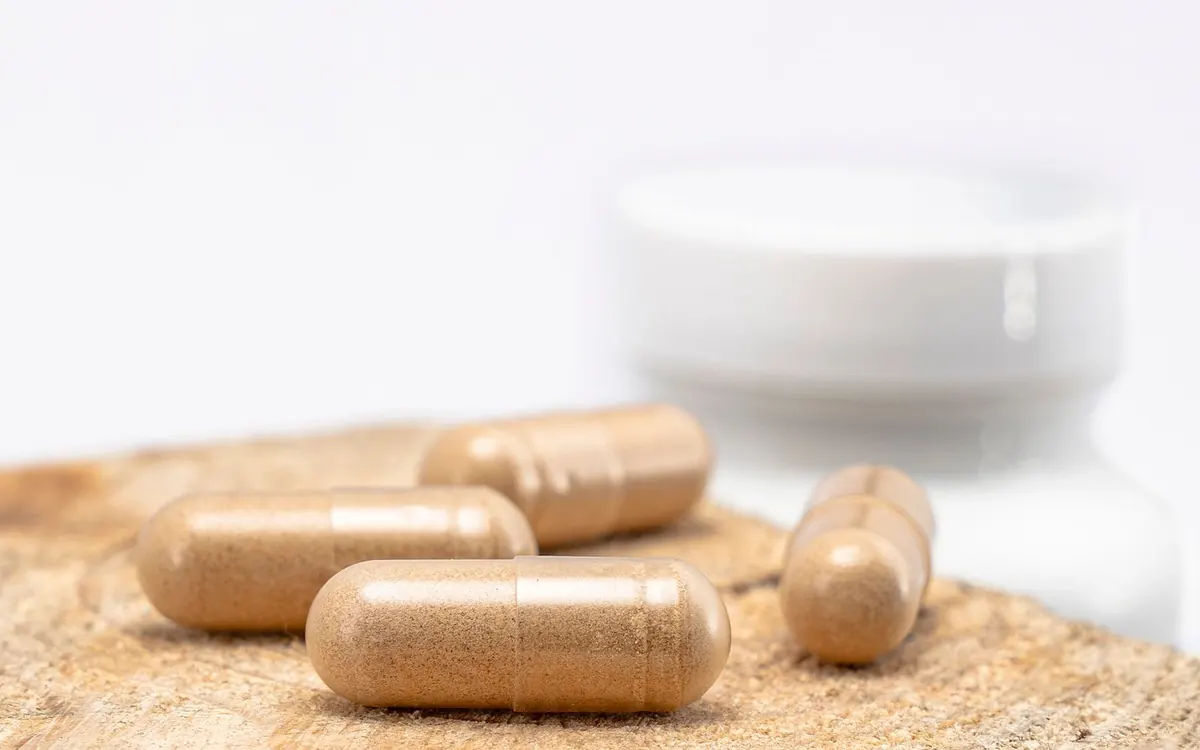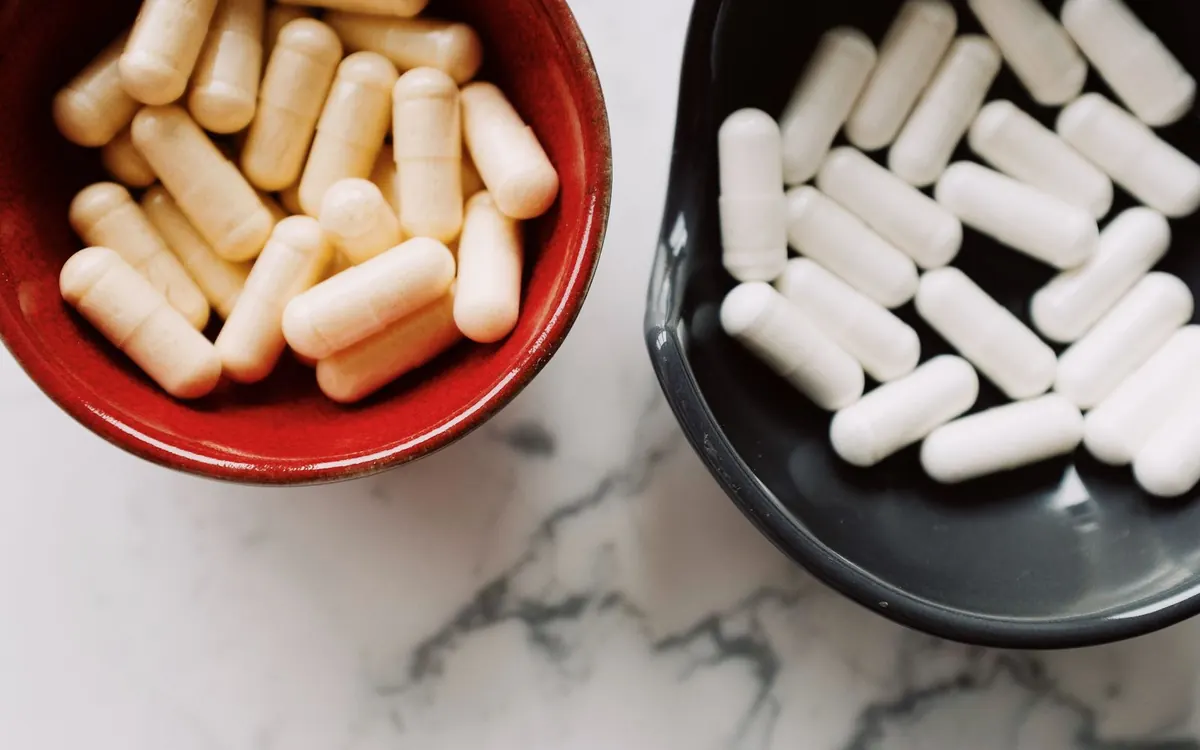

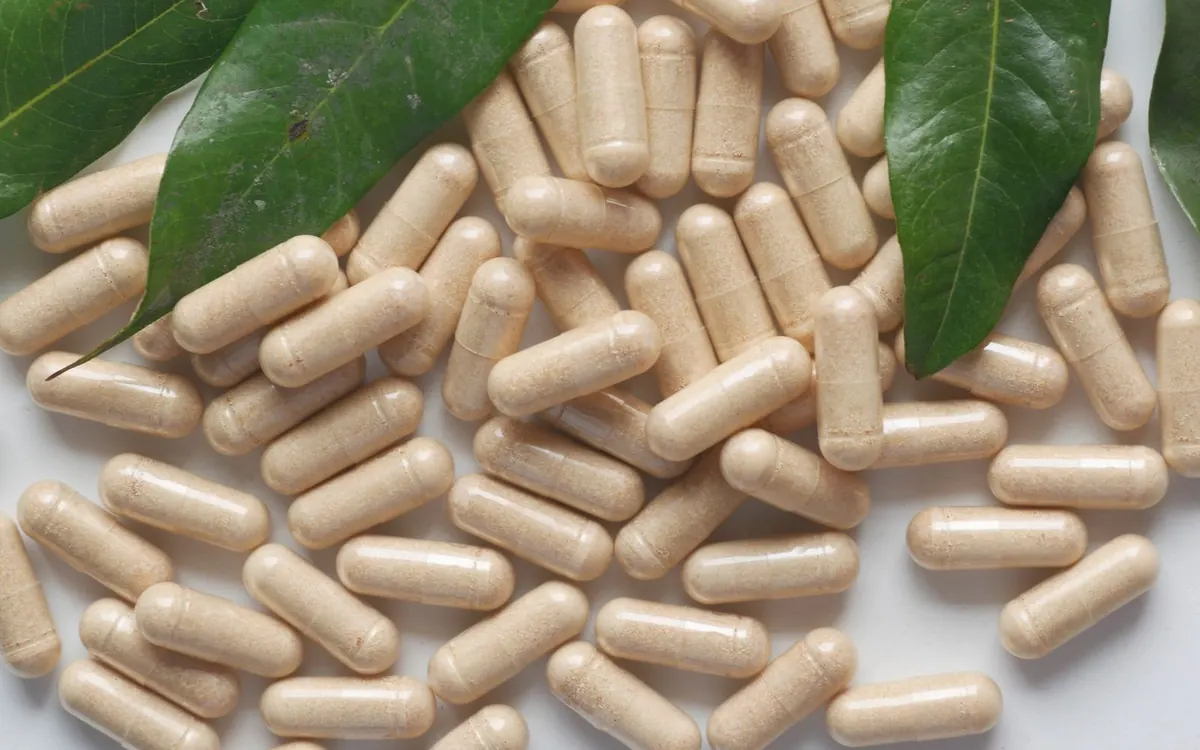
HPMC capsules are vegetable capsules made from hydroxypropyl methylcellulose, a material derived from plant cellulose; gelatin capsules are made from animal collagen. Choose HPMC capsules for vegan or vegetarian products, for many moisture-sensitive ingredients and for customers who avoid animal products. Choose gelatin capsules for cost-effective everyday formulas where animal origin is not a concern. Both are safe, widely used and run on the same filling equipment, so the choice is mostly about your customers, your ingredients and your price.
The two shells at a glance
| HPMC (vegetable) capsules | Gelatin capsules | |
|---|---|---|
| Source | Plant cellulose, chemically modified | Animal collagen, usually bovine or porcine |
| Vegan and vegetarian | Yes | No |
| Typical moisture content of the shell | Lower | Higher |
| Behavior in low humidity | Stays flexible | Can become brittle |
| Interaction with moisture-sensitive fills | Generally better suited | Shell moisture can transfer to the fill |
| Appearance | Slightly matte or less glossy | Glossy, very clear when uncolored |
| Cost | Usually higher | Usually lower |
| Label name | Hypromellose or vegetable capsule | Gelatin |
| Dietary and religious needs | Suits vegan, vegetarian and many faith-based diets, depending on supplier documents | Depends on the animal source and supplier documents |
What HPMC capsules are
HPMC, also listed as hypromellose, is made by modifying cellulose from plant sources such as wood pulp. The shells are made the same way as gelatin shells, by dipping pins into a solution and drying the film, and come in the same sizes and many of the same colors. Some HPMC shells use a gelling aid in production; your shell supplier can tell you exactly what is in them.
Vegetable capsules let you say "vegan" or "vegetarian" on your label if every other ingredient also qualifies. That is a strong selling point in many categories.
What gelatin capsules are
Gelatin capsules have been used for well over a century. Gelatin comes from collagen in animal skin and bones, usually from cattle or pigs. The shells are glossy, strong and dissolve readily. They are often the lower-cost option and are familiar to customers.
If your customers follow halal, kosher or other dietary rules, the animal source and the supplier's documents matter. Ask your manufacturer what documentation the shell supplier provides, and do not put a claim on your label that you cannot document.
Moisture and stability
Moisture is the biggest technical difference between the two shells.
- Gelatin shells hold more water. In very dry conditions they can lose water and become brittle; in humid conditions they can soften. Their water can also move into a moisture-loving fill, or the fill can pull water from the shell.
- HPMC shells hold less water and stay flexible across a wider humidity range. That makes them a common choice for hygroscopic ingredients, some probiotics and other moisture-sensitive formulas.
Neither shell replaces good packaging. A well-sealed bottle with a desiccant and an induction seal does most of the work. See the supplement packaging guide.
Customer perception
For many shoppers, "vegetarian capsule" signals a cleaner, more modern product, and it widens your audience to vegans, vegetarians and people who avoid pork or beef. Gelatin carries no stigma for most mainstream customers, and some prefer its clear, glossy look. Think about who buys your product:
- Plant-based, clean-label or wellness audiences: HPMC is usually expected.
- Price-sensitive mass-market products: gelatin keeps cost down.
- Sports and general audiences: either works; follow your brand position.
Cost differences
HPMC shells usually cost more than gelatin shells of the same size. For most products the shell is a small part of the total cost compared with ingredients, so the difference per bottle is modest. It matters more for low-cost, high-volume products and for servings of several capsules. Our article on supplement manufacturing cost puts the shell cost in context.
Labeling vegetable capsules and gelatin capsules
The capsule shell is an ingredient and must appear on your label in the "other ingredients" list, for example "hypromellose (vegetable capsule)" or "gelatin". Colorants in the shell must also be listed. If you call the product vegan or vegetarian, check every ingredient, including flow agents and colorants. The rules for the ingredient statement and Supplement Facts panel are in 21 CFR 101.36 and explained in the FDA Dietary Supplement Labeling Guide.
How to choose: a quick checklist
- Is the product marketed as vegan or vegetarian? Choose HPMC.
- Do your customers avoid pork or beef products? HPMC avoids the question.
- Is the fill hygroscopic or moisture sensitive? HPMC is often the better fit.
- Is low cost per bottle critical, with no dietary restriction? Gelatin works well.
- Do you want a very clear, glossy look? Gelatin.
- Do you need documents for halal, kosher or other diets? Ask what the shell supplier provides before you decide.
Common myths about capsule shells
- "Vegetable capsules dissolve more slowly." Both shell types are designed to open readily after swallowing. Formulation and storage matter more than the shell for most products.
- "Gelatin is low quality." Gelatin capsules have a long track record and are made to strict specifications. They simply are not suitable for vegan products.
- "HPMC means the whole product is vegan." Only if every other ingredient, including flow agents and colorants, is vegan too.
- "The shell doesn't need to be on the label." It does, along with any colorants.
Switching shell types
Moving an existing product from gelatin to HPMC, or the other way, is usually straightforward because both run on the same filling equipment. Still, treat it as a change: update the specification and master manufacturing record, run a trial fill, update the other ingredients statement on the label and any vegan wording, and check that the new shell lot performs well with your blend. Tell customers about the change if they chose your product for its capsule type.
Other capsule options
Two-piece HPMC and gelatin shells cover most supplement needs. Other options exist, such as pullulan shells (another plant-based material) and specialty shells designed to delay opening. They cost more, and availability varies. If you are considering one, ask your manufacturer whether they run it and what testing supports any claim about how it behaves.
Size and color
Both shell types come in the common sizes from 000 to 3 and in many colors. Size depends on your dose and the density of your blend; see the capsule size chart. Opaque colors hide uneven powder color and give some light protection; clear shells show off the fill.
Quality controls for capsule shells
Capsule shells are components under the FDA cGMP rule, 21 CFR Part 111, so the manufacturer needs specifications for them and must check incoming lots against those specifications, which may include relying on a qualified supplier's certificate of analysis with periodic confirmation. Shells should be stored at controlled temperature and humidity until use. During filling, operators watch for split, dented or poorly locked capsules. Learn more in how supplement capsules are made.
Vegetable and gelatin capsules at Natural Florida
Natural Florida fills both vegetable (HPMC) capsules for vegan and vegetarian products and gelatin capsules for cost-effective everyday formulas, in sizes 000 to 3 and a range of colors, under cGMP practices under 21 CFR Part 111. We help you pick the right capsule type and size for your dose, check fill weights during production and test finished batches before release. Read about our capsule manufacturing options, compare vegetable and gelatin capsule runs on the service page, or request a quote through the quote form. We reply within one business day.
Frequently asked questions
What are HPMC capsules made of?
Hydroxypropyl methylcellulose, also called hypromellose, a material made from plant cellulose. It is suitable for vegan and vegetarian products.
Are vegetable capsules better than gelatin capsules?
Not always. Vegetable capsules suit vegan products and many moisture-sensitive formulas; gelatin capsules are cost-effective and work well for many everyday products.
Do HPMC capsules cost more?
Usually yes, per shell. Because ingredients make up most of a product's cost, the difference per bottle is often small.
Do I need to list the capsule on the label?
Yes. The capsule shell, such as hypromellose or gelatin, and any colorants must appear in the other ingredients list.