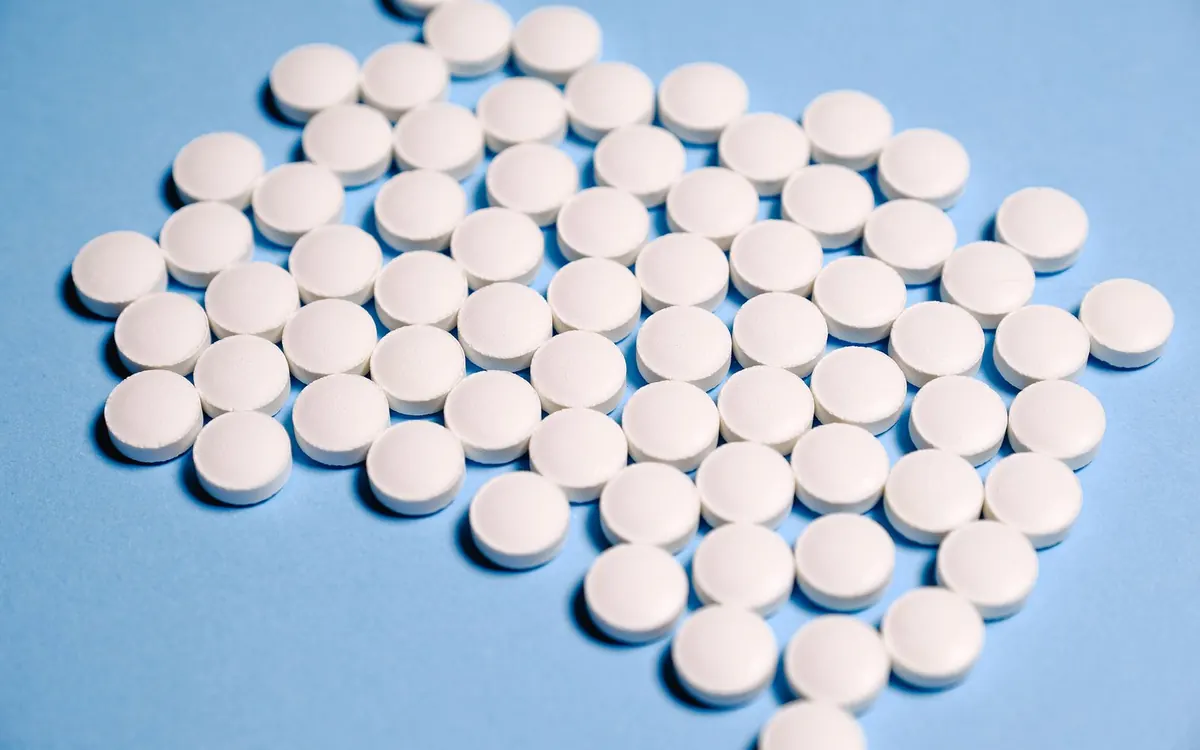

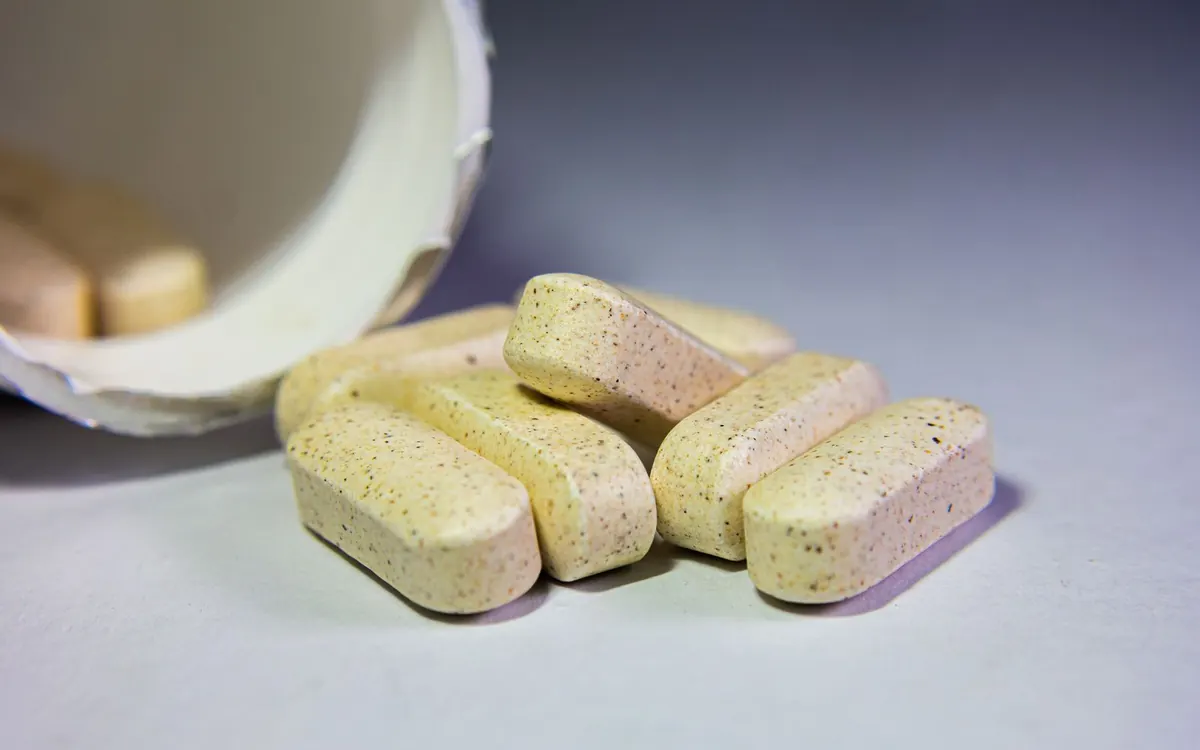
Tablet coating for supplements is a thin layer applied over a compressed tablet to make it easier to swallow, mask taste and smell, add color, and protect the core from moisture and light. The most common type is a film coating, a few percent of the tablet's weight. Enteric coatings are designed to resist stomach acid and open later in the digestive tract; sugar coatings and clear glazes are less common in modern supplements. The right coating depends on your ingredients, your customer and what you can support on the label.
Why coat a supplement tablet?
An uncoated tablet works, but a coating solves several practical problems:
- Swallowing. A smooth surface slides more easily than a rough, powdery one.
- Taste and odor. Coating hides the bitterness of some vitamins and the smell of some botanicals and B vitamins.
- Appearance. Color and gloss make tablets look finished and help customers tell products apart.
- Protection. A coat adds a barrier against moisture, light and handling.
- Dust. Coated tablets shed less powder in the bottle.
Types of tablet coatings
| Coating | What it is | Main purposes | Notes |
|---|---|---|---|
| Film coating | Thin polymer layer, often with color | Swallowing, taste masking, color, some protection | Most common in supplements |
| Clear coat or glaze | Thin transparent layer | Smoothness, gloss, reduce dust | Keeps the natural tablet color |
| Enteric coating | Polymer that resists stomach acid | Delays opening until after the stomach | Requires testing to support any claim |
| Sugar coating | Many layers of sugar syrup | Taste, appearance | Adds weight and time; less common today |
Film coated tablets
Film coated tablets are the standard in modern supplement manufacturing. The coating usually adds only a few percent to the tablet's weight. Common film-forming materials include cellulose derivatives such as hypromellose, plus plasticizers and colorants. Plant-based film coatings make vegan products possible.
Film coating suits multivitamins, mineral tablets, vitamin C, B-complex and botanical tablets, especially large oval or caplet tablets that customers need to swallow comfortably.
Enteric coated supplements
An enteric coating is made from polymers that do not dissolve in the acidic stomach but do dissolve at the higher pH further along the digestive tract. Brands consider enteric coating for ingredients that may be broken down by stomach acid or that some people find unpleasant on an empty stomach, such as certain botanicals or fish-derived ingredients.
Enteric coating is technically demanding. The coat must be even, without gaps, and the product should be tested to show it behaves as intended, typically with a test that holds tablets in an acid medium and then a buffer. Standards for such tests are published by USP. If you plan to say "enteric coated" or describe delayed release on your label, make sure your manufacturer can run and document the coating and supporting tests. Without data, do not make the claim.
How coating is applied
Most supplement tablets are coated in a perforated pan coater:
- Tablets are loaded into a rotating drum.
- Warm air flows through the tablet bed.
- Coating solution or suspension is sprayed in a fine mist while the drum turns.
- The coating dries layer by layer as the tablets tumble.
- Coating weight gain is checked to confirm enough coat has been applied.
- Tablets are cooled and inspected for defects such as sticking, rough patches, cracks or uneven color.
The core tablet must be hard enough to tumble without chipping, which is why hardness checks during compression matter. See supplement tablet manufacturing for the compression step.
Coating and disintegration
A coating adds a layer the body has to get through, so coated tablets are checked to make sure they still break down within the specified time. Under the FDA cGMP rule, 21 CFR Part 111, the finished product must meet its specification, which commonly includes disintegration for tablets. A coating that is too thick, or a tablet compressed too hard, can slow disintegration.
Choosing a coating: a checklist
- Is the tablet large? A film coat and an oval or caplet shape help swallowing.
- Does the core taste or smell strongly? Film coating masks most odors.
- Is the product vegan? Choose a plant-based film coating and check every ingredient.
- Is the core sensitive to moisture or light? A coat adds some protection; packaging adds more.
- Do you want a brand color? Colored film coats can match your palette.
- Do you need delayed release? Only with an enteric coating and test data to support it.
- Is cost tight? A simple film coat adds modest cost; specialty coatings add more.
Labeling coatings
Everything in the coating is an ingredient. List coating materials, plasticizers and colorants in the "other ingredients" statement, in descending order of weight, as part of a label that follows 21 CFR 101.36 and the FDA Dietary Supplement Labeling Guide. Certain color additives have specific labeling requirements, so check the names your manufacturer gives you.
Claims about coatings
Coating claims are product claims and must be truthful and supported:
- "Film coated for easy swallowing" describes a physical feature and is easy to support.
- "Enteric coated" needs evidence that the coating performs as described.
- Claims that a coating improves absorption or effectiveness need competent and reliable scientific evidence, as the FTC sets out in its Health Products Compliance Guidance.
For the broader rules on what a supplement may say, read structure/function claims.
Coating vs capsule
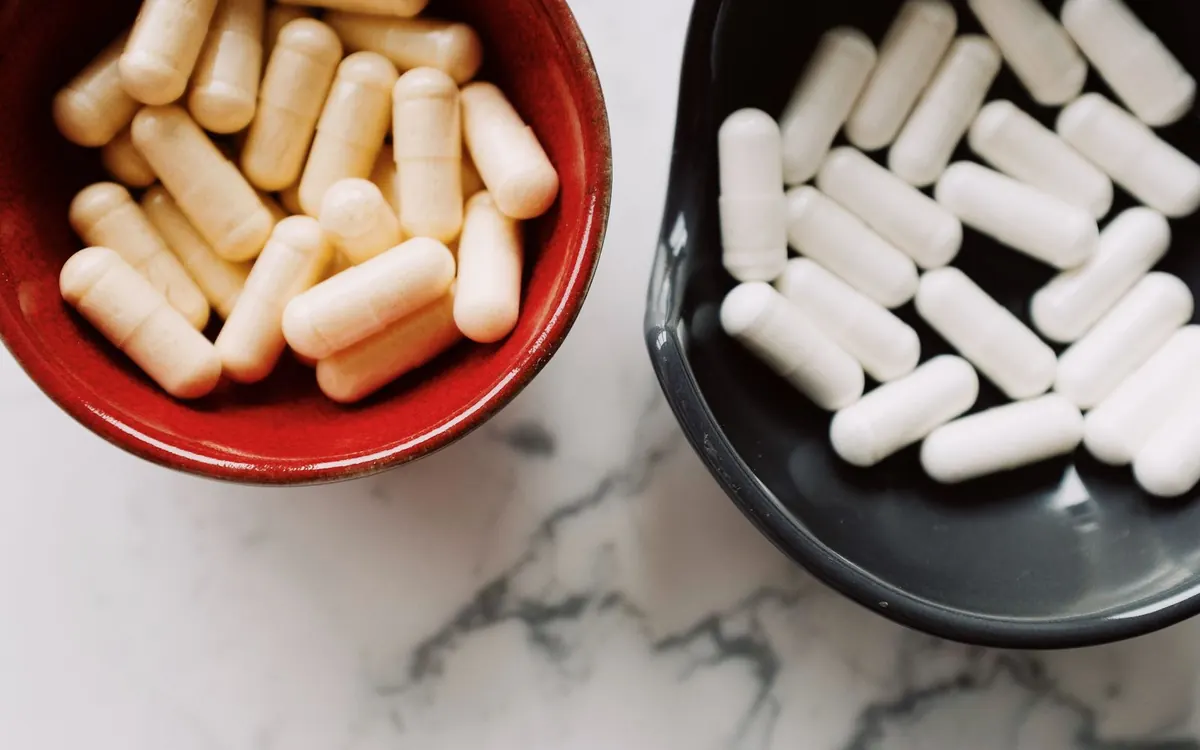
If your main reasons for coating are taste and swallowing, a capsule can be an alternative, especially for botanicals. Capsules hide taste inside a smooth shell with no coating step. Tablets remain better for high doses. Compare the two in capsules vs tablets.
Common coating defects
Coating is a balance of spray rate, air temperature, drum speed and tablet hardness. When the balance is off, you see it:
| Defect | What it looks like | Usual cause |
|---|---|---|
| Orange peel | Rough, dimpled surface | Spray droplets drying too fast |
| Twinning | Tablets stuck together | Too much spray, tablet shape that stacks |
| Color variation | Uneven or blotchy color | Uneven spray or too little coat |
| Peeling or flaking | Coat lifts off the core | Poor adhesion, moisture in the core |
| Logo bridging | Coat fills in an embossed mark | Coating formula or mark design |
These are visual problems first, but they also matter for performance: an uneven coat can affect how the tablet breaks down and how well it is protected. Manufacturers inspect coated tablets and record coating weight gain in the batch record.
Cost and minimums
Coating adds a production step, materials and time, so it adds some cost per tablet. Film coating is usually a modest addition. Custom colors may have their own minimums, and specialty coatings such as enteric coats cost more and need extra testing. Ask your manufacturer to quote both coated and uncoated versions if you are undecided.
Film coated tablets at Natural Florida
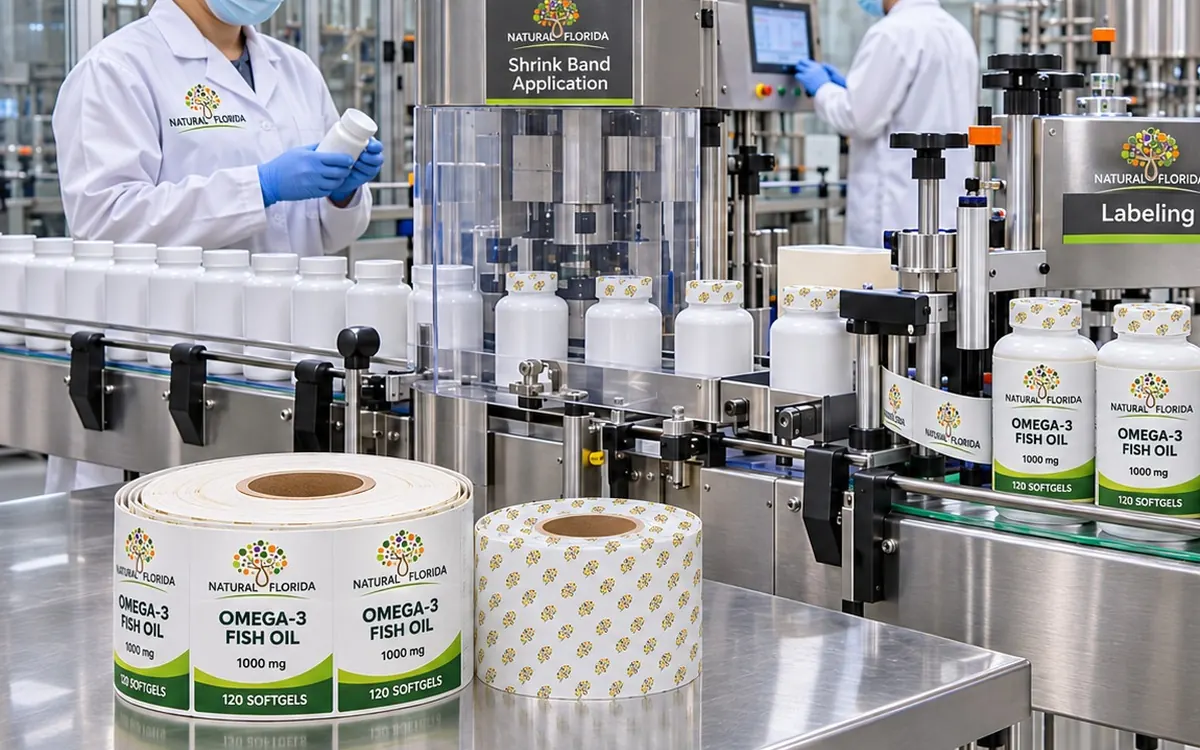
Natural Florida makes pressed tablets in round, oval and caplet shapes, with film coating for easy swallowing, scoring for split dosing and custom colors to match your brand, under cGMP practices under 21 CFR Part 111. Weight, hardness, thickness and disintegration are checked during production, and finished batches are tested before release. If you are considering a specialty coating, ask us early and we will tell you honestly what we can support. See our supplement tablet manufacturing service, or learn more about tablet coating options and request a quote through the quote form. We reply within one business day.
Frequently asked questions
What is a film coated tablet?
A tablet covered with a thin polymer layer, usually a few percent of its weight, that makes it easier to swallow, masks taste and smell, adds color and gives some protection.
What does enteric coated mean for supplements?
An enteric coating resists stomach acid and dissolves later in the digestive tract. Claims about it should be supported by testing of the specific product.
Do coated tablets dissolve more slowly?
A coating adds a layer, so manufacturers test disintegration to make sure coated tablets still break down within the time set in the specification.
Do I need to list the coating on the label?
Yes. Coating materials and colorants are ingredients and belong in the other ingredients statement.